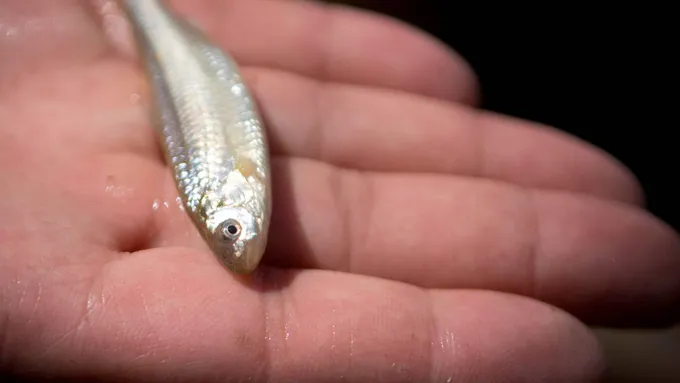
 Boot Camp for Ordinary Fish
It looks at a quiet flaw in conservation: hatcheries can raise fish that are numerous but unfit for the wild. The piece is candid about what is still unproven.
Original article ↗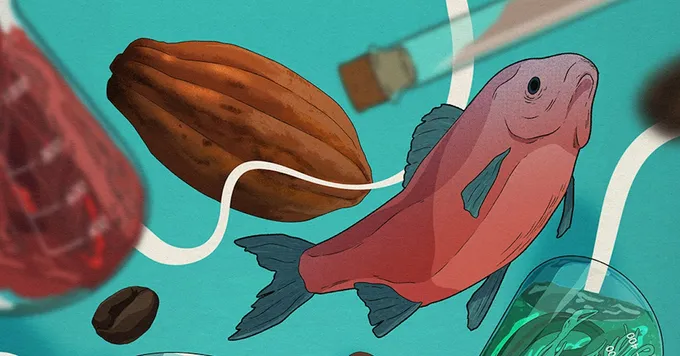 The End Of Extraction
A historian shows that lab-made substitutes displacing natural commodities is a recurring pattern in capitalism, from madder dye to Mexican yams, and asks who should bear the cost. The historical sweep stays useful as synthetic biology advances.
Original article ↗- Slaves and Other "Artificial Intelligences": What the Classics Warn Us About AI
A classicist uses Greek and Roman myth and anecdote to show that the dream of effortless, artificial intelligence has always rested on hidden human labor. The ancient stories give the questions we ask about machines a longer shelf life than the current tools.
Original article ↗ 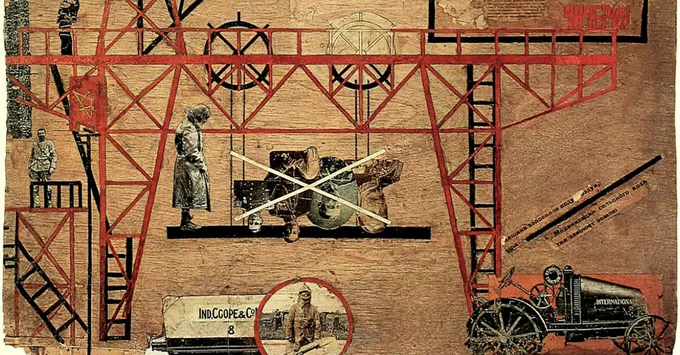 Dreams of a Better Life
A concise, humane look at how dissidents from Thoreau to Solidarity to Octavia Butler's fiction acted "as if" they were already free, and how that stance can change what becomes possible. It draws on history and literature, and the idea holds up well beyond any one moment.
Original article ↗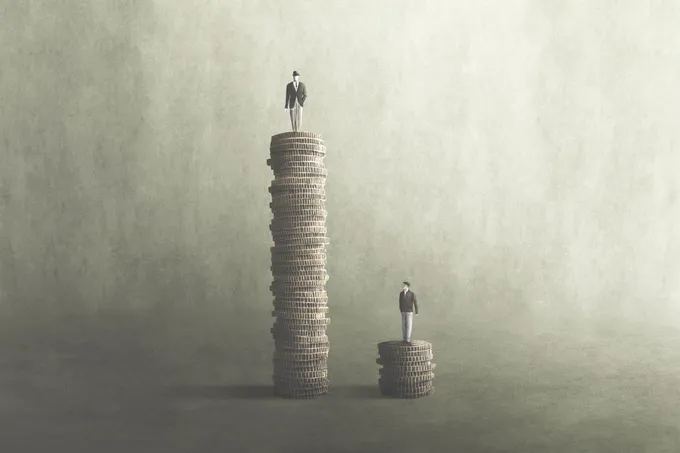 When Envy is a Virtue
An interview with Stacy Kim that reframes envy, the most disreputable of the deadly sins, as useful information about what we actually want. Its practical method for reading the feeling will stay relevant for years.
Original article ↗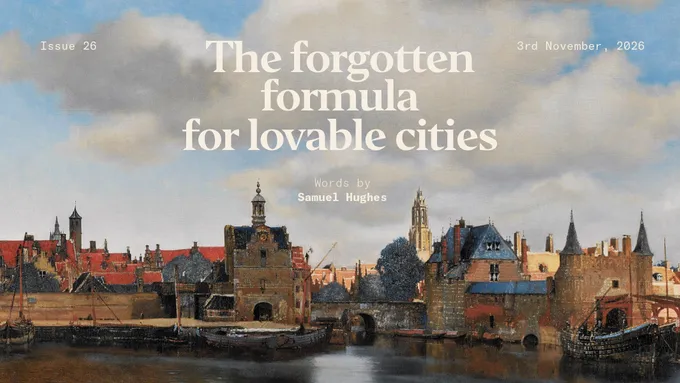 The forgotten formula for lovable cities
It revives Camillo Sitte's neglected 1889 principles for making public squares feel beautiful and explains them with concrete examples. The lessons about enclosure, scale and context apply to any city in any year.
Original article ↗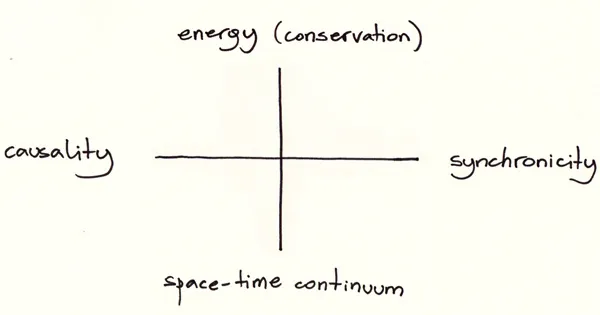 Atom, Archetype, and the Invention of Synchronicity: How Carl Jung and Wolfgang Pauli Bridged Mind and Matter
A quarter-century friendship between a Nobel physicist and a depth psychologist, told through their letters, shows two very different fields trying to meet over the question of mind and matter. The essay is about a conversation that is still unfinished, so it won't date.
Original article ↗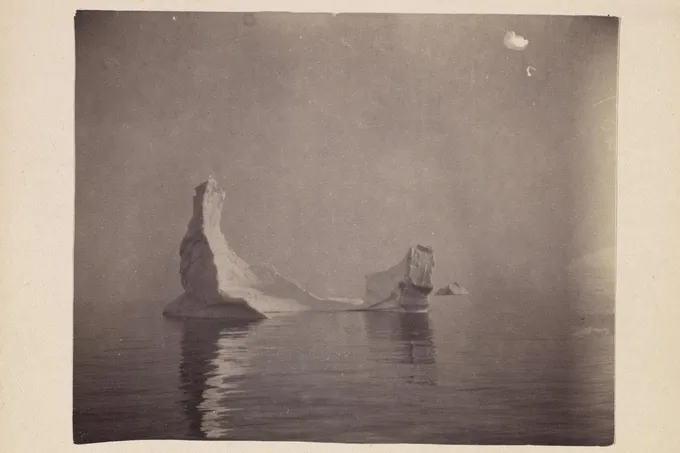 A new answer to why there is something rather than nothing
It takes on one of philosophy's oldest questions and offers a fresh, carefully argued answer, while being honest about where it falls short. It is a clear example of how to reason about explanation and simplicity.
Original article ↗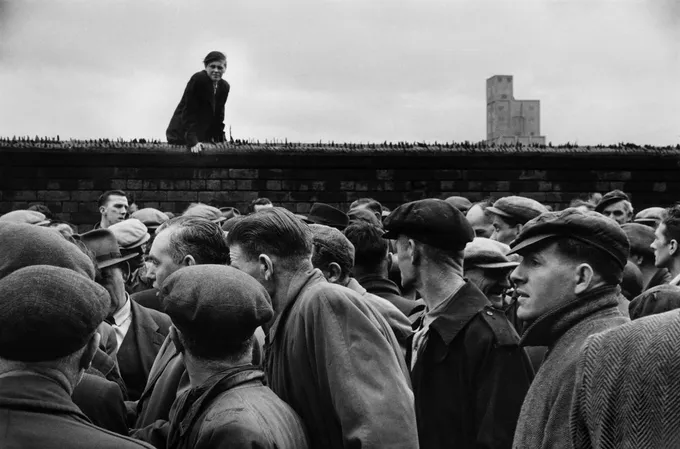 Equality talk
Bejan traces how the word "equality" came to mean what it does, and shows that its ambiguity is a source of its force rather than a flaw. It reframes a contested idea through a vivid episode from 1646.
Original article ↗ The self-making world
A Stanford historian of science rescues Lamarck from the giraffe-neck caricature and shows how his view of active, self-transforming organisms is returning through epigenetics and niche construction. It joins the history of biology to a live debate about what evolution is.
Original article ↗ ‘Real fence is bullshit’
A deeply reported, clear-eyed look at how GPS-collar "virtual fences" could undo 150 years of barbed wire across the American West, weighing real ecological promise against messy field results. It ties ranching technology, wildfire and wildlife ecology, and frontier history into one story.
Original article ↗ Ice Loss
A personal essay of about 5,000 words by NPR's West Coast Editor. It moves between climate reporting in Arctic Alaska and the slow fading of a long-distance love. Together, the two threads ask how anyone can want and get attached to things when the future is this uncertain.
Original article ↗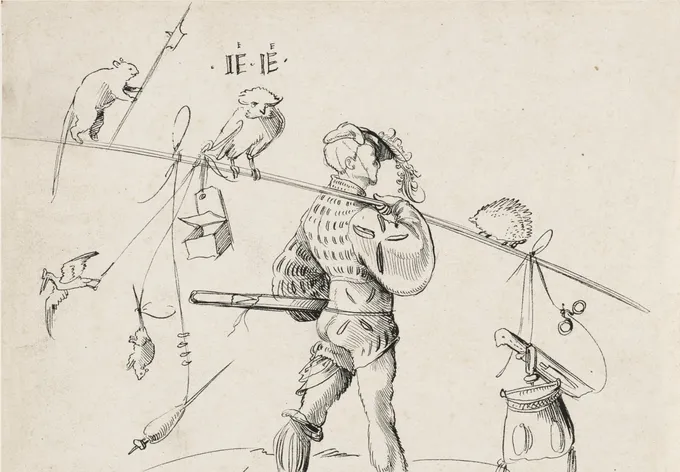 Soldiers of Misfortune: The Drawings of Urs Graf the Elder
A curator writes about Urs Graf, a Renaissance artist who was also a mercenary and a repeat offender. She shows how his drawings of soldiers and sex workers record the violence and moral confusion of early modern professional warfare. The essay is long and well illustrated, and it uses art, archival records and scholarship to look at a little-known and unsettling figure.
Original article ↗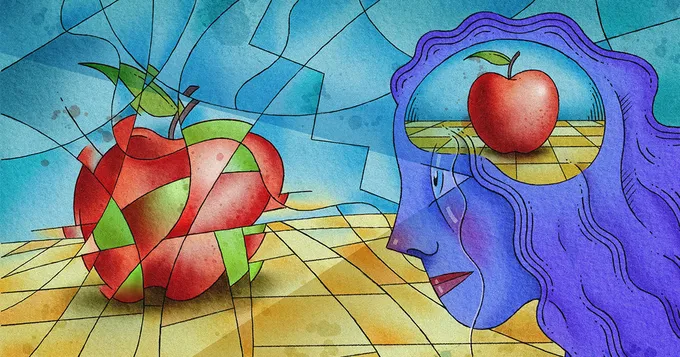 A Strange Quantum Theorem Has Killed Einstein's Reality
A clear, long-form account of the debate over what the quantum wave function really is. It follows the question from Einstein through Bell to the lesser-known PBR theorem and shows how a short proof closed off one of the most intuitive ways to think about reality.
Original article ↗